Most conveyor maintenance programs are built around schedules: weekly checks, monthly inspections, or planned shutdowns. But the reality is, conveyors don’t fail based on a calendar. They fail based on conditions. And without the right data, it’s nearly impossible to understand what those conditions actually are.
To truly understand conveyor health, facilities need to move beyond surface-level checks and start tracking the data that reflects real system performance. This includes metrics like chain wear, drive amps, chain speed, system tension, and lubrication activity. These aren’t just numbers; they are indicators of how your conveyor is operating in real time and where potential problems are developing.
Conveyor System Performance Metrics
Chain wear is one of the most critical data points to monitor. Wear doesn’t occur evenly, and small variations across different sections of the chain can quickly lead to larger issues if left unchecked. Systems that track wear both link-by-link and across defined sections provide a much clearer picture of where deterioration is happening and how quickly it’s progressing. This level of detail allows maintenance teams to act early, rather than waiting for wear to become visible or cause failure. Modern systems, like the Conveyor Guardian™ platform, are designed to continuously collect this type of data, allowing teams to monitor wear trends and plan maintenance with greater accuracy.
Drive amps and motor load are equally important, as they reveal how hard the system is working. An increase in amperage can indicate added resistance in the system, often caused by poor lubrication, buildup, or misalignment. Without tracking this data, these changes can go unnoticed until they begin affecting performance or causing additional strain on components. By monitoring drive performance in real time, maintenance teams can identify inefficiencies early and correct them before they lead to higher energy costs or equipment damage.
Chain speed and drive hours provide further insight into how the conveyor operates on a day-to-day basis. Variations in speed or excessive runtime can impact wear rates and lubrication effectiveness, especially in high-production environments. When this data is tracked consistently, it becomes much easier to understand how operating conditions influence overall system health. Instead of relying on assumptions, teams can make decisions based on actual usage patterns.
System tension and take-up pressure are often overlooked, but they play a major role in chain life. Improper tension can accelerate wear, create uneven load distribution, and increase stress on critical components. Monitoring these values allows teams to maintain proper system balance and avoid unnecessary strain that could shorten the chain’s life.
Lubrication data is another key piece of the puzzle. Knowing when lubrication occurs, how often it happens, and whether reservoir levels are being maintained is essential for preventing both over- and under-lubrication. Excess lubricant can attract debris and accelerate wear, while too little can lead to increased friction and premature failure. With connected systems, lubrication cycles can be tracked, time-stamped, and analyzed alongside other conveyor data, providing a complete picture of lubrication’s impact on performance.
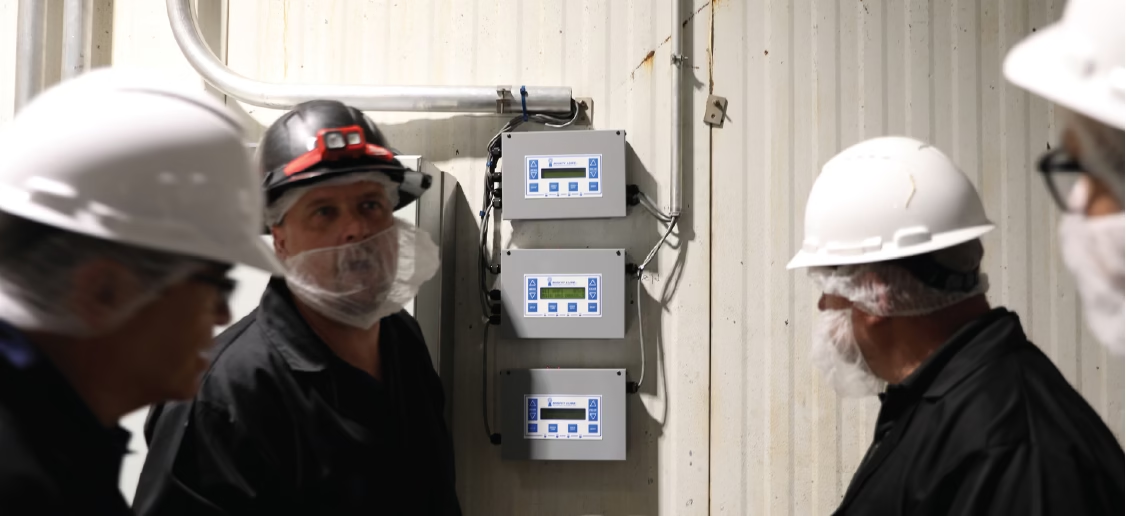
The Conveyor Guardian™ Monitoring System brings all of these data points together in a continuous, real-time view of conveyor health. Instead of reacting to problems after they occur, teams can monitor conditions as they change and respond proactively. With built-in alerts and analytics, the system helps identify issues early, reduce unexpected downtime, and support more consistent maintenance planning.
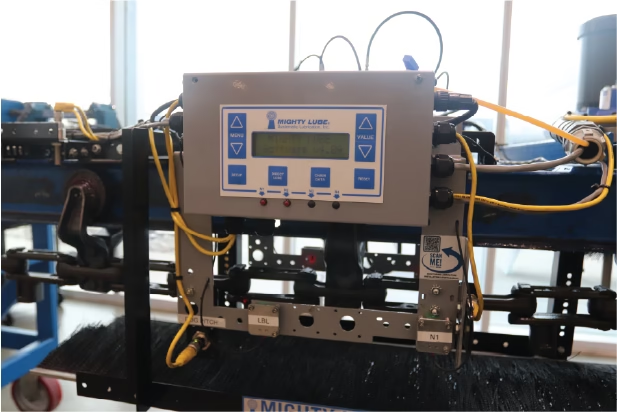
For facilities operating multiple conveyor lines, visibility becomes even more critical. The Permanent Conveyor Monitoring System is designed to scale across entire operations, providing centralized monitoring for up to 100 conveyors while tracking chain wear, lubrication activity, drive performance, and system conditions in one platform. This allows maintenance teams to compare performance across lines, identify patterns, and prioritize maintenance where it’s needed most.
When paired with networked lubrication systems, this level of insight becomes even more powerful. Centralized lubrication systems ensure that each conveyor receives a precise, consistent application of lubricant while eliminating waste and improving overall efficiency. By combining lubrication control with monitoring data, facilities can not only see what’s happening, but also ensure the system is responding correctly in real time.
Tracking conveyor data isn’t just about collecting information; it’s about gaining control. When you know exactly how your system is performing, where wear is occurring, and how lubrication is impacting operation, you can make informed decisions that reduce costs, extend equipment life, and improve overall reliability.
The difference between reactive maintenance and optimized performance often comes down to one thing: Knowing what to track and actually tracking it.